







Search Results for: Peaberry Grading
Tanzania Kilimanjaro Coffee Bean Flavor Profile and Peaberry Detailed Guide: From Origin to Grading and Brewing Guide
Kilimanjaro coffee comes from the volcanic region of Tanzania, home to Africa's highest peak, and is renowned for its washed processing and distinctive flavor. This article will guide you through the formation of Kilimanjaro Peaberry—a rare single seed resulting from uneven pollination or differences in nutrient distribution, accounting for only 5% to 10% of coffee production. The article also breaks down its complex flavor profile of creamy chocolate, dried plum, citrus acidity, and tea-like stone fruit, and explains how acidity and sweet aftertaste perform under a light roast. In addition, it compiles Tanzania's 8 screen-size grading classifications, as well as the different charms of Kilimanjaro AA in single-origin and blend applications, making it ideal for coffee enthusiasts seeking in-depth knowledge. [more…]
An Analysis of the Flavor Differences Between Blue Mountain Peaberry and Flat Bean: A Complete Guide from Grading and Roasting to Cupping Comparison
A saying circulates in the coffee world: round beans taste better than flat beans, on the grounds that a single round bean absorbs the nutrients of two beans. Does this view really hold up? This article starts with Front Street Coffee's Jamaican Blue Mountain R.S.W round beans, systematically sorts out the formation principles, grading standards, and roasting characteristics of round beans, and through an actual roasting comparison and cupping verification of Front Street Coffee's Blue Mountain round beans and flat beans, objectively analyzes the true differences between the two in flavor performance. If you are currently torn between choosing round beans or flat beans, this article may give you a rational answer. [more…]
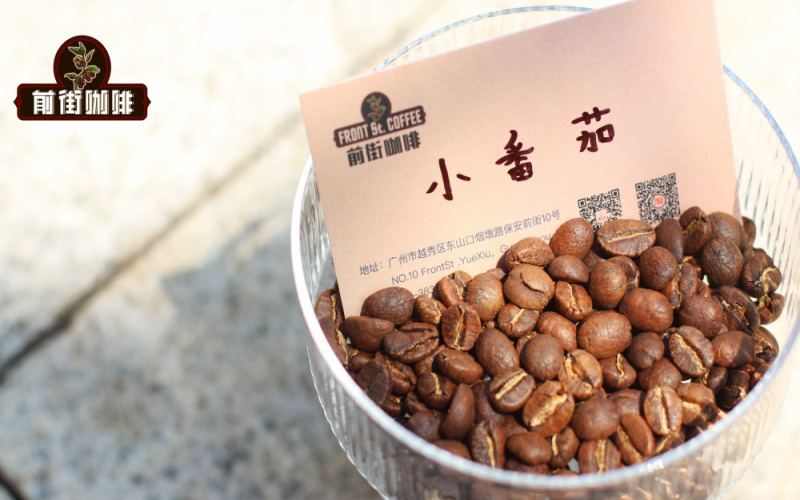
Why Are Kenyan Peaberry PB Beans So Rare? A Comprehensive Guide to Kenya's Coffee Grading System and Flavor Differences
Kenya AA is often regarded as the representative of African specialty coffee, but besides AA, the letters PB also appear frequently on Kenyan coffee labels. PB stands for Peaberry, a rare form in which a coffee cherry contains only a single seed, accounting for about 5% of Kenyan coffee. This article will systematically sort out the grading standards for Kenyan coffee, from E-grade Elephant Beans to AA, AB, C, TT, T, and even MH/ML, explaining the basis for each classification and the differences in specifications one by one. At the same time, combined with a Nyeri Ichamama Pearl Peaberry purchased by Front Street Coffee, it will provide an in-depth introduction to its producing region background, processing method, and roasting approach, and through a cupping comparison with Kenya AA, present the mellow and soft flavor characteristics of Peaberry along with brewing suggestions. [more…]
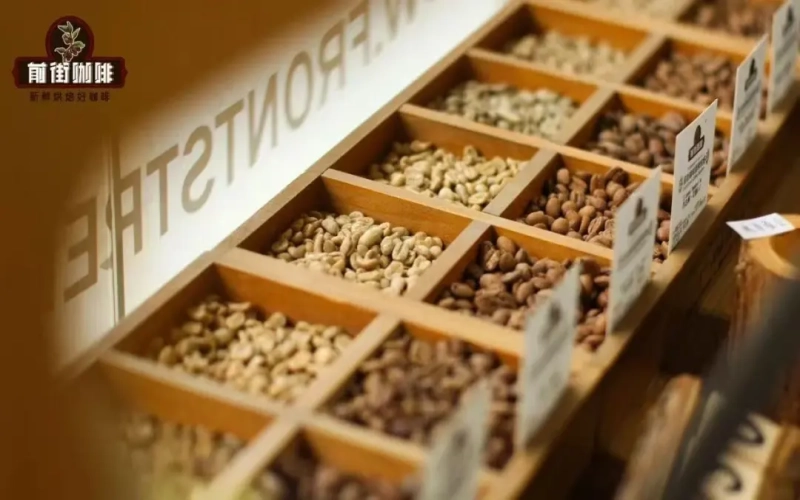
What Is Coffee PB Grade? Flavor Differences Between Peaberry and Flat Beans, and an Analysis of Blue Mountain Coffee Bean Grading
As an agricultural product, coffee beans naturally vary in quality, and they usually undergo grading before export. In systems that grade by size, there is often a special PB grade, namely Peaberry. Its output is scarce, accounting for only 5% to 10% of the total, yet its price can often rival that of the highest grade. This article, from the perspective of Front Street, explains the definition of the PB grade and the reasons for the formation of peaberries, and through cupping compares the flavor differences between peaberries and flat beans. It also explains why producing regions sell peaberries separately, as well as the PB phenomenon in grading systems such as Blue Mountain coffee beans, helping coffee enthusiasts understand the true relationship between coffee bean size and quality. [more…]
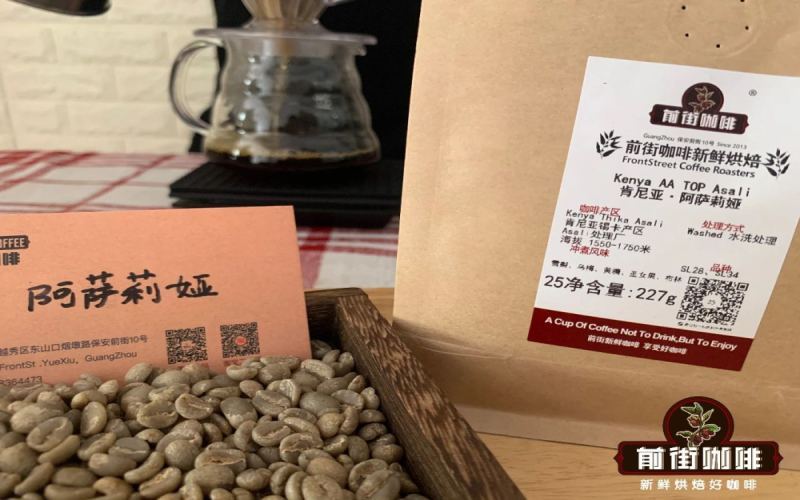
How Is Kenyan Coffee PB Peaberry Different from AA Grade? A Comprehensive Analysis from Grading System to Flavor and Mouthfeel
Kenyan coffee is renowned worldwide for its outstanding quality, but what exactly do the letters AA and PB represent? From the perspective of Front Street Coffee, this article systematically sorts out Kenya's coffee grading system, including the meaning and distinguishing criteria of each grade: E, PB, AA, AB, C, TT, T, and MH/ML. At the same time, Front Street takes a batch of Peaberry from the Ichamama Factory in the Nyeri region as an example, documenting in detail the complete process from green bean information and cooperative background to roast curve design and cupping flavors, and conducts a brewing comparison with Kenyan AA coffee beans, helping readers gain a deeper understanding of the actual differences in taste and flavor between PB Peaberry and AA coffee beans. [more…]
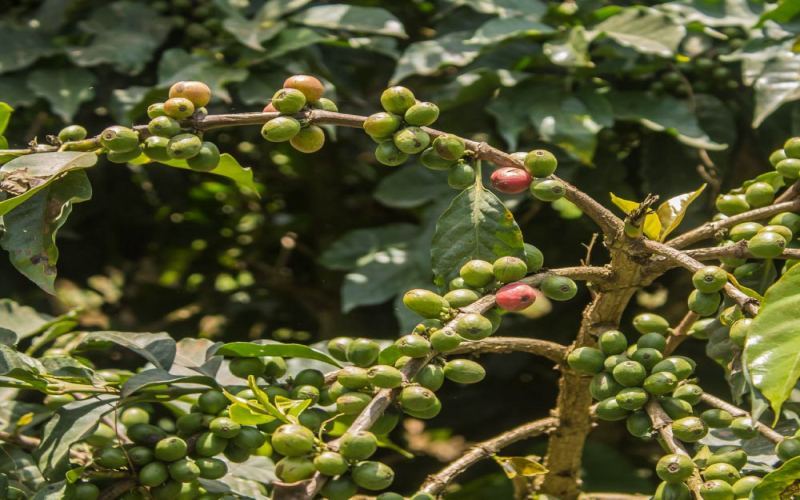
Kenya PB Peaberry Flavor Analysis: A Complete Guide from Grading System to SL28 Variety and V60 Brewing
Kenyan coffee has always been known for its bright fruit acidity and rich mouthfeel, but there are also plenty of questions surrounding it: What exactly do AA and PB stand for? What is the story behind SL28? Starting from Front Street Coffee's store experience, this article systematically sorts out Kenya's coffee grading system, explains in detail the origin and characteristics of PB peaberry, introduces the historical background and flavor performance of the SL28 variety, and uses two beans—Sasini Estate PB and Front Street Azalea—as examples to provide complete V60 brewing parameters and tasting notes, helping coffee lovers fully understand the unique charm of Kenyan coffee. [more…]
A Comprehensive Guide to Kenyan Coffee Bean Grading Standards: AA and PB Grades, Flavor Differences, and Front Street Recommendations
Kenya AA coffee is often hailed as one of the world's top specialty coffees, but what exactly do the letters AA and PB stand for? This article systematically breaks down the grading system for Kenyan green coffee beans, including the meaning and specifications of each grade—E, PB, AA, AB, C, TT, T, and MH/ML—and takes a deep dive into the flavor differences between AA and PB peaberry beans. Drawing on years of roasting experience, Front Street Coffee uses an Ichamama Peaberry as an example to share its roasting approach and cupping performance, while also offering brewing parameter recommendations for Kenya AA, helping coffee lovers gain a comprehensive understanding of what to look for when buying and tasting Kenyan coffee. [more…]
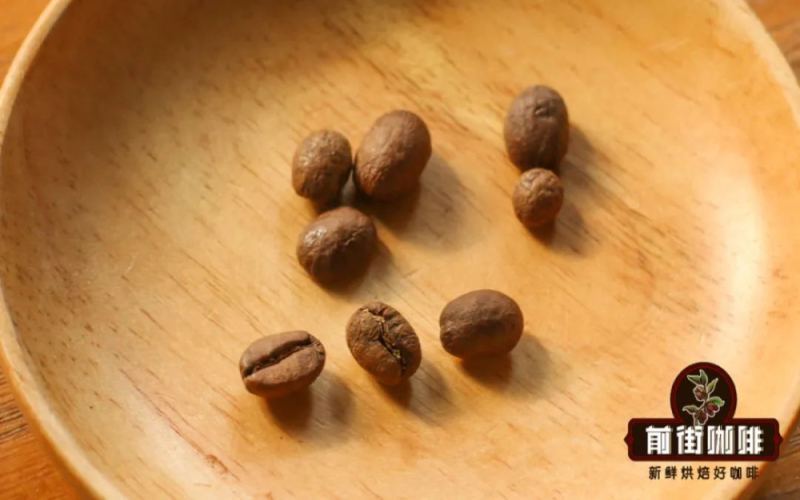
Do Coffee Beans Really Have Male and Female Types? Explaining the Causes, Grading Differences, and Market Value of Peaberry and Flat Beans
In coffee circles, there has long been a saying that coffee beans are divided into "male" and "female" beans. Some people call oval beans "male beans" and flat beans "female beans," and use this to drive up the price of round beans. However, the truth is that coffee beans have no gender distinction. The difference between round beans and flat beans comes from whether the ovule was successfully pollinated during fruit development. Round beans are sought after because they are rare, but they show no significant flavor difference from flat beans of the same variety from the same origin. This article will systematically sort out the origin of round beans, their particle size characteristics, the logic of grading and pricing, and the actual attitudes of various producing regions toward round beans, to help you view this special bean shape rationally. [more…]
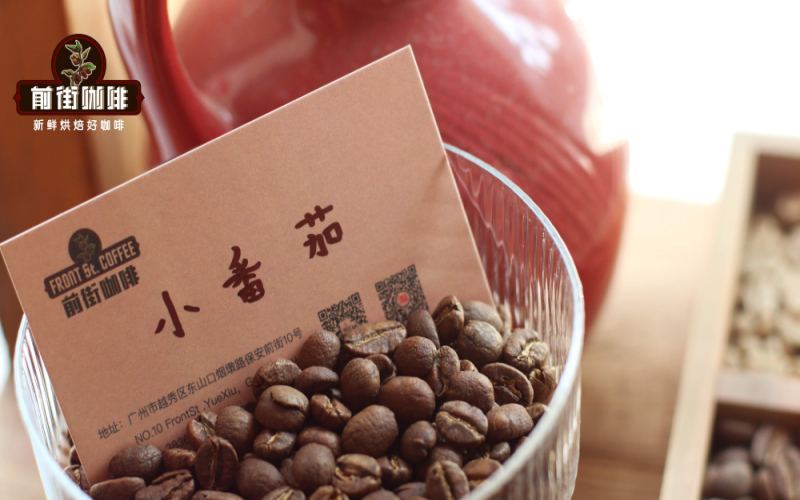
A Complete Guide to Kenyan Coffee Bean Grades: AA, PB, E Explained with a Roasting Log of Ichamama Peaberry
Kenya AA coffee occupies a pivotal position in the global specialty coffee landscape, yet the letter grades surrounding it are often confusing. What exactly do these codes—E, PB, AA, AB, C, TT, T, MH/ML—mean? From the perspective of Front Street Coffee, this article systematically sorts out Kenya's grading system based on raw bean screen size, and takes an in-depth look at a Peaberry from the Ichamama Factory in the Nyeri region, presenting the unique charm of Kenyan PB in full through raw bean information, cooperative background, four-roast comparison experiments, and cupping performance. At the end, it also includes Front Street Kenya Small Tomato AA's brewing parameters and flavor description, offering readers an intuitive AA vs. PB reference. [more…]
A Detailed Guide to Kenyan Coffee Bean Grading: The Meaning of AA and PB, Flavor Differences, and Front Street Coffee's Roasting and Brewing Practices
Kenya AA is often hailed as one of the finest specialty coffees in the world, yet many coffee enthusiasts still have questions about what the letters AA, PB, and others actually mean. From the perspective of Front Street Coffee, this article systematically reviews Kenya's green bean grading system, explaining the definitions and origins of the E, PB, AA, AB, C, TT, T, and MH/ML grades, and takes an in-depth look at a Kenyan PB peaberry from the Ichamama processing factory in the Nyeri region, covering origin information, cooperative background, roasting experiments, and cupping performance. It then presents the flavor differences between the two through a brewing comparison with Kenya AA, helping readers gain a more comprehensive understanding of Kenyan coffee's grades and flavor characteristics. [more…]
A Detailed Explanation of the Green Coffee Bean Grading System: What Quality Levels Do G1 to G4, AA, PB, and SHB Represent?
The grading systems for coffee beans vary widely depending on the origin—some are based on the number of defects, others on bean size, and still others on altitude. Understanding these grade labels is an important step in selecting high-quality coffee. This article will systematically outline the green bean grading rules of major global producing regions, covering common designations such as Ethiopia's G1-G9, Kenya's AA and PB, Colombia's Supremo, and Hawaii's Extra Fancy, and explain how cupping scores further distinguish specialty grade from commercial grade. Whether you are a beginner enthusiast or a professional seeking to advance, this grading guide can help you judge coffee quality more clearly. For more professional content, follow Coffee Workshop; for specialty coffee beans, add Front Street Coffee on WeChat at qjcoffeex. [more…]
A Detailed Guide to Jamaica Blue Mountain Coffee Grading: Tiers from No. 1 Peaberry to Ordinary Washed and Buying Tips
Blue Mountain coffee is one of the world's recognized top-tier coffees, yet its grading system is often overlooked by enthusiasts. Based on cultivation altitude and green bean size, Jamaica divides Blue Mountain coffee into three major categories: Jamaican Blue Mountain coffee, Jamaican High Mountain coffee, and Jamaican Prime Washed coffee. Among these, the higher-grade Blue Mountain is further subdivided by screen size into No. 1, No. 2, and No. 3; these taste similar and differ only in size, and all are shipped in wooden barrels for export. This article systematically sorts out the logic of Blue Mountain coffee's grade classification, the characteristics of each tier, and common purchasing knowledge, and includes Front Street Coffee's related product recommendations to help readers fully understand the grading framework of this legendary Caribbean coffee. [more…]
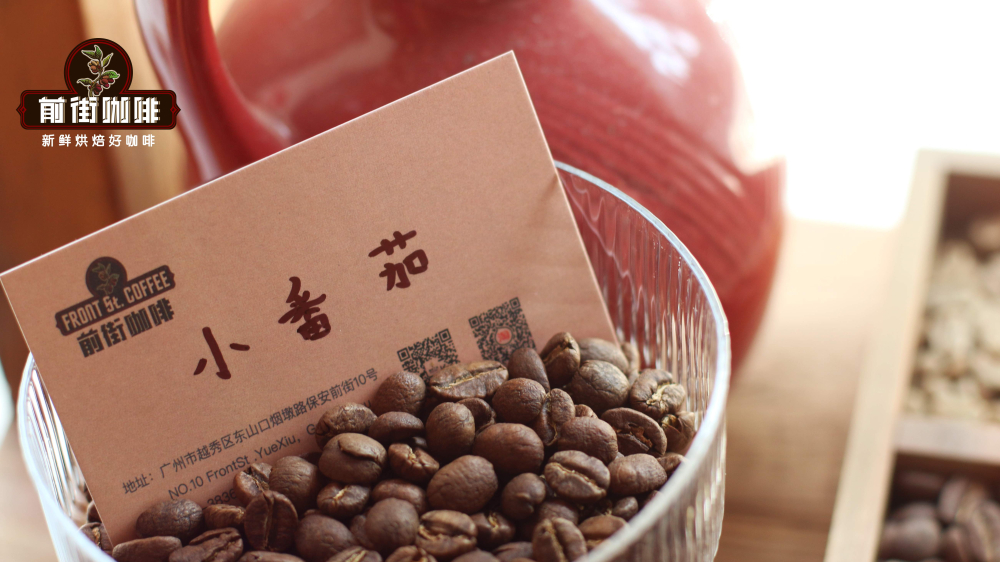
Kenyan Coffee Beans | Introduction to the AA Grading and Flavor Characteristics of Kenyan Coffee Beans
For more specialty coffee knowledge, please follow: Front Street Coffee (Frontsteet Coffee) Kenya AA coffee has always been regarded as one of the best specialty coffees in the world. For some friends who are not very familiar with Kenyan coffee, Front Street is often asked what AA means. Besides [more…]

An Analysis of Kenya Coffee's Grading System and Flavor Characteristics: From AA to Peaberry, Getting to Know One of the World's Top Producing Regions
Kenyan coffee occupies a pivotal position in the global specialty coffee landscape, and its bright, uplifting acidity and rich layers of complexity have fascinated countless coffee lovers. Yet when confronted with the letter combinations such as AA, AB, and PB on Kenyan coffee bean labels, many people are not clear about what they actually mean. In fact, these designations originate from Kenya's official coffee grading system, which takes into account multiple factors such as bean size, shape, and hardness. This article will systematically sort out Kenya's complete coffee grading system, explain the specific standards for each grade, and clarify the difference between the secondary grading set by green bean traders themselves and the official grades. At the same time, Front Street Coffee will also draw on its own sourcing experience to share the roasting and brewing approach for an AA-grade Kenyan bean from the Asaliya processing station. [more…]
The Complete Guide to Jamaican Blue Mountain Peaberry: R.S.W Estate Flavor Profile and Pour-Over, Siphon, and French Press Brewing Guide
Jamaican Blue Mountain coffee is globally recognized as one of the top-tier coffees, and Blue Mountain Peaberry is an especially rare and meticulously screened special grade within it. This article takes the R.S.W Estate Blue Mountain Peaberry recommended by Front Street Coffee as an example, systematically outlining the terroir conditions of the Blue Mountain region, the formation principles and grading standards of peaberry, and documenting in detail its complete performance from medium-dark roast to cupping flavors. The latter part of the article also compiles three brewing methods—pour-over, siphon, and French press—including specific coffee-to-water ratios, water temperatures, grind sizes, and pouring techniques, suitable for coffee enthusiasts who wish to gain a deeper understanding of Blue Mountain Peaberry and reproduce its delicate floral aroma themselves. [more…]
Overview of Jamaica Blue Mountain Coffee's Origin, Green Bean Grade Classification, and Blue Mountain Estate Bean Details
Jamaican Blue Mountain coffee is globally recognized as one of the top-tier coffees, but many people are not clear that its grading system is actually different from the commonly seen Grade 1. Front Street Coffee takes you through the origins and background of Jamaican Blue Mountain, as well as the three major categories and seven export grades of Blue Mountain coffee classified by altitude and bean size. From Blue Mountain No. 1 to Blue Mountain Peaberry, each grade has strict regulations on screen size and defect bean ratio. This article will provide a detailed analysis of the grading standards for Jamaican Blue Mountain green beans, helping coffee enthusiasts gain a more accurate understanding of this legendary production region. [more…]

A Detailed Explanation of the Jamaican Blue Mountain Coffee Grading System: From Blue Mountain No. 1 to PB Peaberry—Grading Standards and Identification Methods
Blue Mountain coffee is hailed as the finest of coffees, yet the "Blue Mountain style" products on the market are far removed from authentic Jamaican Blue Mountain. This article systematically sorts out the coffee grading system of Jamaica's Blue Mountain region, covering the three major categories—Blue Mountain Coffee, High Mountain Coffee, and Jamaican Coffee—as well as the sub-classifications of NO.1, NO.2, NO.3, and PB. It also shares identification tips provided by Front Street Coffee—genuine Blue Mountain coffee comes in wooden barrel packaging and is accompanied by a Jamaican government certificate. The article further documents in detail the complete brewing parameters and flavor profile of Front Street's brewing of Clifton Mount Estate Blue Mountain coffee, helping enthusiasts build an accurate understanding of authentic Blue Mountain coffee. [more…]
Complete Guide to Kenya Coffee Peaberry PB: Grades, Flavor Characteristics, and a Front Street Coffee Medium-Roast Experience
Kenyan coffee has always been known for its distinct origin character—it carries the bold wildness of African beans while retaining the full-bodied richness of American beans, which is why it has a large following in the specialty coffee circle. The most common Kenya AA on the domestic market is actually just one part of the grading system; above it there are AA+ and AA TOP, and below it there is AB. When buying, if you only see the letters AA, it often means the beans come from a blended lot, with no designated estate or cooperative, and while uniformity meets the standard, the flavor is not necessarily outstanding; conversely, if the coffee can be traced to a specific estate or processing station, both AA and AB are worth buying. The PB (Peaberry) round bean discussed in this article is a rare form in which a single cherry contains only one seed, and Kenya is one of the few producing countries in the world that sorts and sells it separately. The following text will begin with the causes of peaberries and the controversy over their quality, then combine that with the origin background of Kiaga Farm, and finally turn to Front Street Coffee's roasting approach and cupping performance for Kenyan PB, so you can gain a complete understanding of this small but refined Kenyan peaberry. [more…]
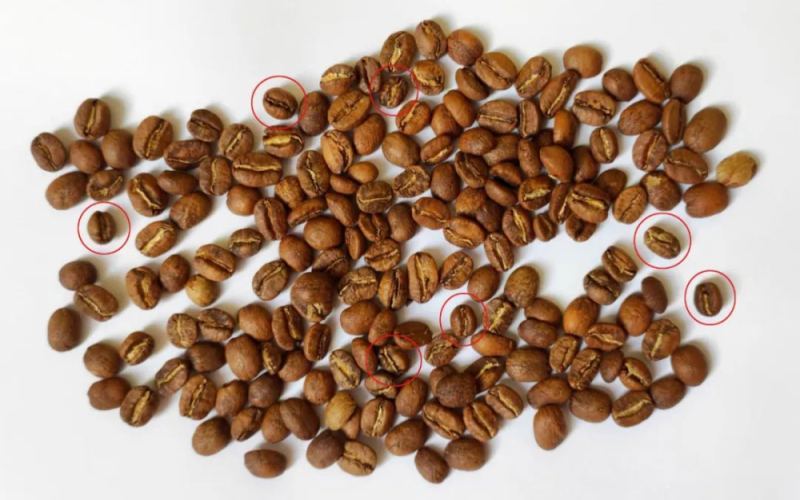
What exactly is the difference between peaberry and flat beans? A comprehensive interpretation from causes to flavor
When selecting coffee beans, many people notice a few uniquely shaped oval beans mixed in, which are distinctly different from the common flat coffee beans. Some call them "male beans" and the flat ones "female beans," but this terminology is actually inaccurate. Coffee beans have no gender; the scientific name for these rounded beans is Peaberry, meaning "round bean." How are peaberries formed? Is their flavor truly superior to regular flat beans? Why do different producing countries sort and sell them separately? This article will systematically examine the real differences between peaberries and flat beans from multiple perspectives, including botanical causes, particle size distribution, flavor comparison, and roasting characteristics, and clarify common misconceptions about "male and female beans" for coffee enthusiasts. [more…]
A Detailed Explanation of the Tanzanian Coffee Bean Grading System: A Complete Analysis of Kilimanjaro AA Peaberry Flavor and Brewing
Tanzania is an important coffee-producing country in East Africa, with a longer cultivation history than Kenya and an annual output of about 50,000 tons, comparable to Kenya. The earliest Arabica seeds were introduced from Reunion Island, a French territory, and were successfully planted on the slopes of Mount Kilimanjaro in 1893. Tanzanian coffee has less sharp acidity than Kenyan coffee and more soft, gentle sweetness and a rich red wine aroma. The main producing areas are distributed in the northern foothills of Mount Kilimanjaro and the southern Ruvuma River basin, each with distinct styles. This article will systematically introduce Tanzania's coffee-producing regions, green bean grading system, and the formation principle of peaberries. Taking AA-grade Kilimanjaro coffee as an example, it will share roasting analysis and staged brewing parameters to help coffee lovers fully understand the unique charm of this East African producing country. [more…]